There’s a certain smell that sticks with you when food is being cooked outside a traditional kitchen. Warm oil. Steam from rice. A hint of soap from someone scrubbing their hands nearby. Portable cooking setups have that vibe. Temporary, busy, slightly chaotic. And still, food has to stay safe. No shortcuts there. Somewhere between folding tables, extension cords, and propane tanks, good habits and the right gear make all the difference. A lot of people don’t realize how much thought goes into a portable kitchen setup until they’re standing there, gloves on, wondering where to put a cutting board that won’t touch something questionable.
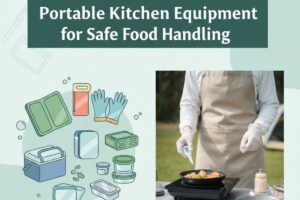
I’ve seen it at pop-up events, food trucks parked too close together, disaster relief sites, even backyard catering jobs that got way bigger than planned. Same challenge everywhere. How do you keep food clean, cold or hot enough, and handled properly when the kitchen itself can pack up and leave?
Why portable kitchens are trickier than they look
A permanent kitchen hides a lot of structure. Built-in sinks. Fixed refrigeration. Walls that separate raw from cooked food without anyone thinking about it. Portable setups don’t have that luxury. Everything is exposed. Wind kicks up dust. Someone walks by with muddy shoes. A power cable runs where it shouldn’t.
That’s where equipment choice starts to matter more than skill. Even experienced cooks slip when the setup fights them. Safe food handling in mobile kitchens comes down to control. Temperature control. Surface control. Hand hygiene. And, honestly, flow. If people keep bumping into each other, mistakes happen.
Work surfaces that don’t fight back
Let’s talk tables. Sounds boring. It’s not. The wrong table turns into a problem fast. Wood absorbs. Plastic warps. Metal, when done right, stays calm under pressure. Stainless steel prep tables show up again and again for a reason. Easy to wipe. No lingering smells. You see the mess, you clean it.
Height matters too. Too low and people lean. Too high and arms get tired. Tired arms rush tasks. Rushed tasks… yeah, you see where that goes.
Cutting boards deserve attention. Color-coded boards feel annoying at first, until they save you from mixing raw chicken juices with chopped herbs. Once you get used to grabbing green for produce and red for meat, your hands just know.
Temperature control is the quiet hero
Food safety conversations always circle back to temperature. Cold stays cold. Hot stays hot. Sounds simple until you’re running on generators or limited power.
Portable refrigeration units come in all shapes. Upright fridges. Chest coolers with digital displays. Ice-packed coolers that only work if someone actually monitors them. I’ve watched people trust ice way too much. Ice melts. Fast. Especially outdoors.
Thermometers become your best friend. Not fancy ones. Just reliable, readable, and checked often. Stick them in fridges. Probe the food. Write it down if you have to. There’s a calm that comes from knowing the numbers instead of guessing.
Hot holding units matter just as much. Steam tables. Insulated food carriers. Portable warming cabinets. Food sitting in the danger zone doesn’t look dangerous. It smells fine. It tastes fine. That’s the trap.
Handwashing isn’t optional, even when space is tight
This is where many portable kitchens struggle. People rely on gloves and forget hands still matter. Portable handwashing stations save events. Foot pumps, soap dispensers, paper towels. Simple setups that get used because they’re right there.
Placement counts. If the sink is across the lot, people skip it. Put it in the workflow. Near prep. Near cooking. Near serving. Make it impossible to ignore.
And no, sanitizer alone doesn’t cut it. Anyone who’s worked a long shift knows the feeling of greasy gloves and sweaty hands. Washing resets that.
Equipment that handles raw and cooked food separately
Cross-contact sneaks up quietly. Same tongs. Same tray. Same surface wiped “well enough.” Portable kitchen equipment designed for separation makes life easier. Dedicated raw food containers. Labeled bins. Separate shelving units.
Food storage containers with tight lids help more than people think. Clear containers let you see what’s inside without opening them. Less exposure. Less risk. Also less confusion at the end of a long day.
Cooking gear built for movement
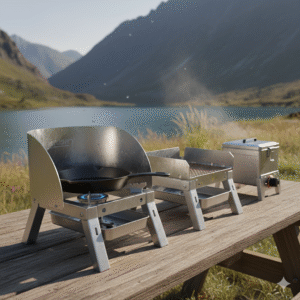
Burners, grills, fryers. Portable versions come with trade-offs. Lightweight is nice until something tips. Stability matters. Wide bases. Locking legs. Wind guards that actually block wind.
I’ve watched a gust flip a poorly placed burner. No injuries, luckily. Still, everyone froze for a second. Equipment that stays put keeps nerves steady.
Grease management counts too. Drip trays. Splash guards. Grease spills attract pests faster than almost anything else.
Cleaning tools that keep up with the mess
Cleaning in portable kitchens feels constant. As it should. Buckets. Sanitizing solutions. Disposable towels. Scrapers. Brushes. All of it needs to be within reach.
Three-bucket systems still work outside traditional kitchens. Wash. Rinse. Sanitize. Label them clearly. People follow systems they can see.
Trash management matters more than people admit. Overflowing bins invite flies. Flies invite problems. Lidded trash cans with liners make a difference. Empty them often. More often than you think you need to.
Real-world setups that actually work
Food trucks nail this balance better than most. Tight space forces discipline. Equipment gets chosen carefully because every inch matters. Portable catering setups learn this the hard way, often after one rough event.
Disaster response kitchens rely on portable kitchen equipment daily. Speed matters, but safety still leads. They lean on modular gear. Stackable containers. Mobile sinks. Gear that sets up fast and cleans down faster.
Even backyard pop-ups benefit from this thinking. Just because it’s casual doesn’t mean food safety gets a pass. Guests don’t see the setup. They trust the food anyway.
Training matters, even with great equipment
Gear helps. It doesn’t replace habits. People need reminders. Short ones. Visual ones. Signage helps. “Wash hands.” “Raw food here.” Simple cues prevent mistakes during busy moments.
I’ve noticed newer staff pick up habits faster in portable kitchens because everything is visible. There’s nowhere to hide sloppy practices. That visibility becomes a teacher.
The little things that add up
Gloves that fit. Aprons that get changed. Hair restraints that stay on. Clipboards for temp logs. Pens that don’t disappear. These details feel small until one goes missing and everything slows down.
Portable kitchens reward preparation. Forget one item and the workaround usually isn’t great.
Ending on a practical note
Portable kitchen equipment doesn’t need to be flashy. It needs to feel reliable. Familiar. Calm. When the setup works, people focus on food, not problems. That’s the goal. Whether it’s a weekend festival, a relief effort, or a temporary cooking site, safe food handling comes from respecting the environment you’re working in, even when that environment can be packed into a trailer at the end of the night.
You clean down, fold up tables, shut off burners. There’s that quiet moment when the smell of food lingers in the air. Tired feet. Sticky hands finally washed clean. If everything went right, no one thinks about safety at all. And honestly, that’s kind of the point.
Also Read: Why Gooseneck Flatbed Trailers Offer Superior Towing Control