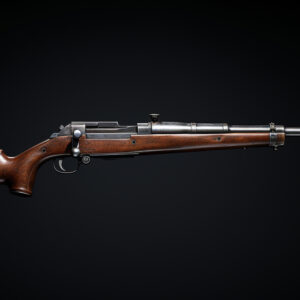
The 28 gauge shotgun has earned a loyal following among upland hunters and clay shooters who appreciate its light recoil, elegant handling, and surprising effectiveness. Once considered a niche option, the 28 gauge is now widely respected for its ability to deliver clean patterns and humane kills with the right ammunition. Choosing the best ammo, however, requires understanding how loads, shot sizes, and patterns influence real-world performance.
In this guide, we’ll break down everything you need to know about selecting the best ammunition for your 28 gauge shotgun, including how different loads behave, what patterns to expect, and how performance changes depending on your shooting application.
Why the 28 Gauge Shotgun Deserves Attention
The 28 gauge shotgun is often described as the “thinking shooter’s gauge.” It offers a near-perfect balance of light weight and effectiveness. While it throws fewer pellets than a 12 or 20 gauge, its efficiency comes from well-distributed patterns and mild recoil, allowing shooters to stay on target and shoot more accurately.
Hunters appreciate the way a 28 gauge carries all day without fatigue, while competitive clay shooters enjoy the smooth swing and minimal punishment on the shoulder. With modern ammunition technology, the 28 gauge has closed the performance gap with larger gauges in many scenarios.
Understanding 28 Gauge Shotgun Loads
When choosing ammo for a 28 gauge shotgun, load selection is critical. The gauge typically fires shells with shot charges between 3/4 oz and 7/8 oz. That might sound light, but when paired with good shot quality and proper choke selection, these loads can be incredibly effective.
Light Loads (3/4 oz)
Light loads are perfect for target shooting and small upland birds. They offer:
-
Very low recoil
-
Smooth follow-up shots
-
Dense patterns at short to moderate ranges
These loads shine on skeet fields and for early-season quail or dove.
Standard Loads (7/8 oz)
Standard 7/8 oz loads are the most versatile option for the 28 gauge shotgun. They deliver:
-
Better pellet energy
-
Slightly extended effective range
-
More forgiveness on imperfect hits
If you want one load that does it all—from clays to pheasant over pointing dogs—this is usually the sweet spot.
Shot Size and Its Impact on Performance
Shot size determines how many pellets are in the shell and how much energy each pellet carries. With a 28 gauge shotgun, pellet count matters because you’re already working with a smaller payload.
-
#9 or #8.5: Ideal for skeet and close-range clays
-
#8: Great all-around choice for trap, sporting clays, and dove
-
#7.5: Excellent for pheasant and longer-range targets
-
#6: Best for tougher upland birds like late-season pheasant
Smaller shot gives you more pattern density. Larger shot provides more penetration. Your job is to match the pellet size to the game and distance.
Patterning Your 28 Gauge Shotgun
No two shotguns pattern exactly the same, even with identical ammo. That’s why pattern testing is essential if you want the best performance from your 28 gauge shotgun.
To pattern your shotgun:
-
Use a large paper target at 30 and 40 yards
-
Shoot from a steady rest
-
Evaluate pellet distribution and coverage
You’re looking for even pellet spread without big gaps. If your patterns look thin, try a different load, choke, or shot size. You’ll often find that premium shells with hard, uniform shot dramatically improve pattern quality.
Choke Selection and Its Role
Choke choice works hand in hand with ammo selection. With the 28 gauge shotgun, small changes in choke can make a big difference.
-
Cylinder / Skeet: Best for close-range shooting
-
Improved Cylinder: Ideal for most upland hunting
-
Modified: Great for longer shots and open fields
-
Full: Rarely needed, but useful for long-distance targets
For most applications, Improved Cylinder and Modified chokes give the 28 gauge the best balance of spread and density.
Performance in the Field
The real magic of the 28 gauge shotgun is how it performs in actual hunting and shooting conditions.
Upland Hunting
For quail, grouse, and woodcock, the 28 gauge excels. Light recoil allows fast, instinctive shooting, and with #8 or #7.5 shot, birds drop cleanly. For pheasant, step up to #7.5 or #6 shot in a 7/8 oz load for better penetration.
Clay Shooting
On the skeet and sporting clays range, the 28 gauge is pure fun. It forces shooters to focus on technique and timing. Quality target loads with #8.5 or #9 shot create smooth breaks and tight patterns inside 25 yards.
Light Waterfowl
While not traditionally a waterfowl gauge, the 28 gauge shotgun can work for early-season teal over decoys with steel or bismuth #6 or #7 shot, depending on local regulations. Keep ranges short and shots clean.
The Role of Ammo Quality
Not all shells are created equal. Premium ammunition uses:
-
Harder, more spherical shot
-
Consistent powder charges
-
Better wads
These factors improve pattern density and uniformity. With a smaller gauge like the 28, that consistency matters even more. Cheap shells may save money, but they often deliver uneven patterns and reduced effectiveness.
Balancing Cost and Performance
Ammo for a 28 gauge shotgun can be more expensive than common 12 or 20 gauge shells. Because of this, many shooters use premium loads for hunting and standard loads for practice.
In the middle of your shooting or hunting journey, you’ll notice how ammo choice becomes part of the overall business of managing cost, performance, and availability. Finding a shell that patterns well in your gun and fits your budget is key to long-term satisfaction with the 28 gauge.
Tips for Choosing the Best 28 Gauge Shotgun Ammo
-
Pattern multiple brands and loads
-
Match shot size to game and distance
-
Use better ammo for hunting than for practice
-
Keep ranges realistic
-
Focus on clean, ethical shots
The 28 gauge rewards precision. When you choose the right ammo, it becomes one of the most efficient and enjoyable shotguns you can carry.
Final Thoughts
The 28 gauge shotgun is proof that smaller doesn’t mean weaker. With the right loads, proper patterning, and thoughtful shot placement, it delivers impressive performance in the field and on the range. Whether you’re breaking clays or chasing upland birds, choosing the best ammo transforms your shooting experience from “good” to exceptional.
As interest in this gauge continues to grow, more shooters are discovering its balance, efficiency, and charm. And if you’re part of the firearms world—whether you collect, trade, or sell guns—it’s clear that the 28 gauge shotgun holds a unique place in the market and the hearts of those who shoot it.