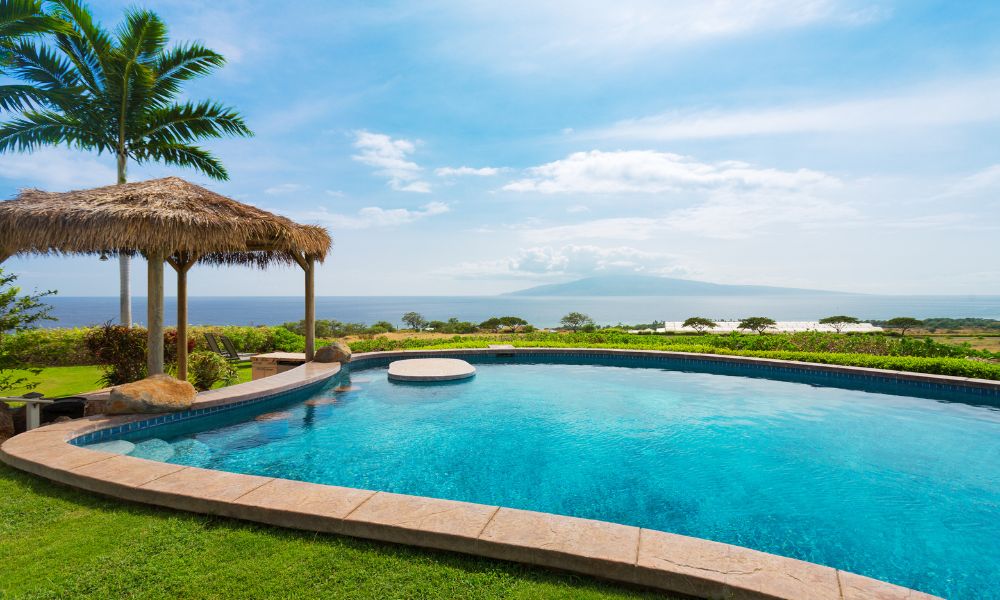
Owning a swimming pool is an exciting addition to any home. It’s a place to relax after a long day, enjoy time with family and friends, and even get some exercise during the warmer months. But having a pool is also a responsibility. It’s not just about filling it with water and adding chlorine—you need to take proper care of it to keep it safe, clean, and enjoyable. Ignoring pool maintenance can lead to cloudy water, algae growth, and even expensive equipment problems.
Taking care of a pool involves several steps, from cleaning and water treatment to checking pumps, filters, and other essential parts. Regular attention to these details can save you from costly pool equipment repair and extend the life of your pool. Whether you are a first-time pool owner or someone looking to improve your pool care routine, this guide will walk you through everything you need to know to keep your pool sparkling and in top condition all year long.
1. Keep Your Pool Clean: A Daily Habit
Clean water is the foundation of a healthy and enjoyable pool. Dirt, leaves, insects, and other debris can accumulate quickly, and if left unchecked, they can lead to algae growth and other water problems. To keep your pool in great shape:
- Skim the Surface: Use a skimmer net every day or at least a few times a week to remove leaves, bugs, and floating debris.
- Vacuum the Bottom: Vacuuming weekly helps remove dirt and sediment that sinks to the bottom. It also prevents algae from taking hold in hidden corners.
- Brush Walls and Steps: Pool walls, steps, and corners can get slimy or develop algae. Brushing them regularly keeps surfaces clean and smooth.
- Empty Pump and Skimmer Baskets: These baskets catch debris and prevent it from reaching your pump or filter. Cleaning them often helps your equipment last longer and work efficiently.
A clean pool doesn’t just look nice—it also reduces strain on your pool’s equipment. Ignoring cleaning can cause clogs or damage, often leading to the need for pool equipment repair.
2. Keep Your Water Balanced
Water balance is one of the most important parts of pool maintenance. Improper water chemistry can make swimming unpleasant and even damage your pool and its equipment. Here’s what to monitor:
- pH Levels: Your pool’s pH should be between 7.2 and 7.8. Too low can make water corrosive, while too high can cause scale buildup.
- Chlorine Levels: Keep chlorine between 1–3 ppm to kill bacteria and algae effectively.
- Alkalinity: Total alkalinity should be 80–120 ppm to help stabilize your pH levels.
- Calcium Hardness: Maintain 200–400 ppm to protect the pool surface and equipment from damage.
Test your water at least once a week using a reliable pool test kit. If you notice persistent problems that can’t be fixed with chemicals, it may signal an issue with your filtration system, requiring professional pool equipment repair.
3. Check and Maintain Your Pool Equipment
The pumps, filters, heaters, and cleaners are the heart of your pool. They keep the water circulating, clean, and at the right temperature. Regular inspection and maintenance prevent costly repairs and ensure everything works efficiently.
- Pumps: Look for leaks, strange noises, or weak water flow. Clean the pump basket and replace any worn-out parts.
- Filters: Sand, cartridge, or DE filters need regular cleaning or backwashing to prevent clogs. A dirty filter reduces water circulation and can make your pool cloudy.
- Heaters: Check gas, electric, or solar heaters for damage or debris. Regular maintenance ensures they heat your pool effectively without overworking the system.
- Automatic Cleaners: Inspect hoses, brushes, and wheels to make sure your cleaner moves properly and doesn’t get stuck.
Failing to maintain equipment properly can quickly lead to breakdowns and expensive pool equipment repair, so keeping up with these checks is crucial.
4. Prevent Algae and Contaminants
Algae and other contaminants can ruin your swimming experience. Even a small amount of algae can spread quickly and make your pool unsafe. To prevent and manage these issues:
- Keep Chlorine Levels Steady: Proper chlorine prevents algae from growing.
- Brush and Vacuum Regularly: Clean walls, floors, and steps to remove early algae buildup.
- Shock the Pool When Needed: If algae appears, a strong dose of chlorine, or “shocking,” can kill it quickly.
- Clean Filters After Treatment: Removing dead algae from the filter ensures clear, healthy water.
Ignoring these steps can stress your pool’s equipment, often causing the need for professional pool equipment repair to fix pump or filter issues caused by overworking.
5. Winterizing Your Pool
For pool owners in colder climates, winterizing your pool is essential. Proper winter care prevents freezing damage and reduces maintenance when reopening the pool in warmer months.
- Lower Water Levels: Reduce water levels to protect skimmers, pipes, and pumps from freezing.
- Clean Thoroughly: Remove leaves, debris, and brush walls to avoid algae growth.
- Add Winter Chemicals: Use algaecides and pool shock to keep the water in good condition over the winter.
- Cover Your Pool: Invest in a durable cover to keep debris and sunlight out.
Proper winterization can prevent expensive damage and reduce the likelihood of needing pool equipment repair in the spring.
6. Safety Checks Are Essential
A well-maintained pool is a safe pool. Safety should be part of your regular maintenance routine.
- Inspect Fences and Gates: Make sure they are secure and meet local safety codes.
- Check Ladders and Handrails: Tighten loose fittings to prevent accidents.
- Test Pool Alarms: Ensure alarms and sensors are working properly.
- Inspect Electrical Equipment: Look for exposed wires or corrosion, especially around pumps and heaters.
Regular safety checks reduce the risk of accidents and prevent emergency pool equipment repair.
7. When to Call a Professional
Some pool issues require professional attention. A certified pool technician can handle complex problems and ensure repairs are done safely and correctly. Professional help is recommended for:
- Pump Failures: A broken pump stops circulation and can lead to water quality problems.
- Filter Issues: Filters that won’t backwash or show unusual pressure need expert servicing.
- Heater Problems: Gas and electric heaters require specialized repair for safety.
- Electrical Problems: Any exposed wires or malfunctioning automation system should be handled by professionals.
Investing in professional service can prevent long-term damage and save money by avoiding major pool equipment repair later.
8. Tips to Extend the Life of Your Pool Equipment
Taking care of your pool properly can extend the life of your equipment and reduce repair costs:
- Follow Manufacturer Guidelines: Stick to recommended maintenance schedules.
- Inspect Regularly: Check pumps, filters, and heaters for signs of wear.
- Maintain Water Balance: Balanced water prevents corrosion and scaling.
- Off-Season Care: Cover and store equipment properly when not in use.
Being proactive helps prevent unnecessary repairs and keeps your pool running smoothly for years.
Conclusion
A swimming pool is more than just a backyard luxury—it’s a responsibility. Maintaining it properly ensures clean, safe water, prevents damage, and saves money in the long run. From regular cleaning and chemical balancing to equipment checks and winterization, every step plays a role in keeping your pool in top shape.
Addressing issues early and scheduling timely pool equipment repair helps prevent costly emergencies and ensures your pool remains a safe, enjoyable space. Whether you handle daily tasks yourself or hire a professional, understanding pool maintenance basics allows you to enjoy your pool confidently all year round. With consistent care, your pool will continue to be a source of fun, relaxation, and family memories for many seasons to come. https://easybacklinkseo.com/


