In the precise world of surgery, every instrument has a critical role to play, ensuring procedures are carried out safely and effectively. Among the vast array of tools available to surgeons, oral gags are essential for maintaining an open and accessible surgical field during procedures involving the mouth and throat. These devices are meticulously designed to provide unobstructed access while prioritizing patient safety. Understanding the different types of gags and their specific applications is fundamental for medical professionals in otolaryngology, oral surgery, and anesthesiology.
The Essential Role of Surgical Gags
A surgical gag, often referred to as a mouth gag, is a specialized instrument used to hold a patient’s mouth open during a medical procedure. This is particularly crucial when a surgeon needs to work within the oral cavity or pharynx. Without such a device, the natural tendency for the jaw to close would make delicate operations on the tonsils, adenoids, palate, or tongue nearly impossible. These instruments are designed not only for access but also for stability, allowing the surgical team to work with precision and control. The design must balance secure retraction with the need to prevent injury to the patient’s teeth, jaw (temporomandibular joint), and soft tissues.
The selection of an appropriate gag depends on several factors, including the patient’s age and size, the specific surgical procedure being performed, and the surgeon’s preference. From pediatric to adult patients, the anatomical variations require a diverse range of instruments. Each design offers unique advantages, whether it’s the degree of mouth opening, the method of tongue depression, or the ability to attach other instruments. This variety ensures that the surgical team can create the optimal environment for any given oral or pharyngeal surgery.
Exploring Different Surgical Gag Designs
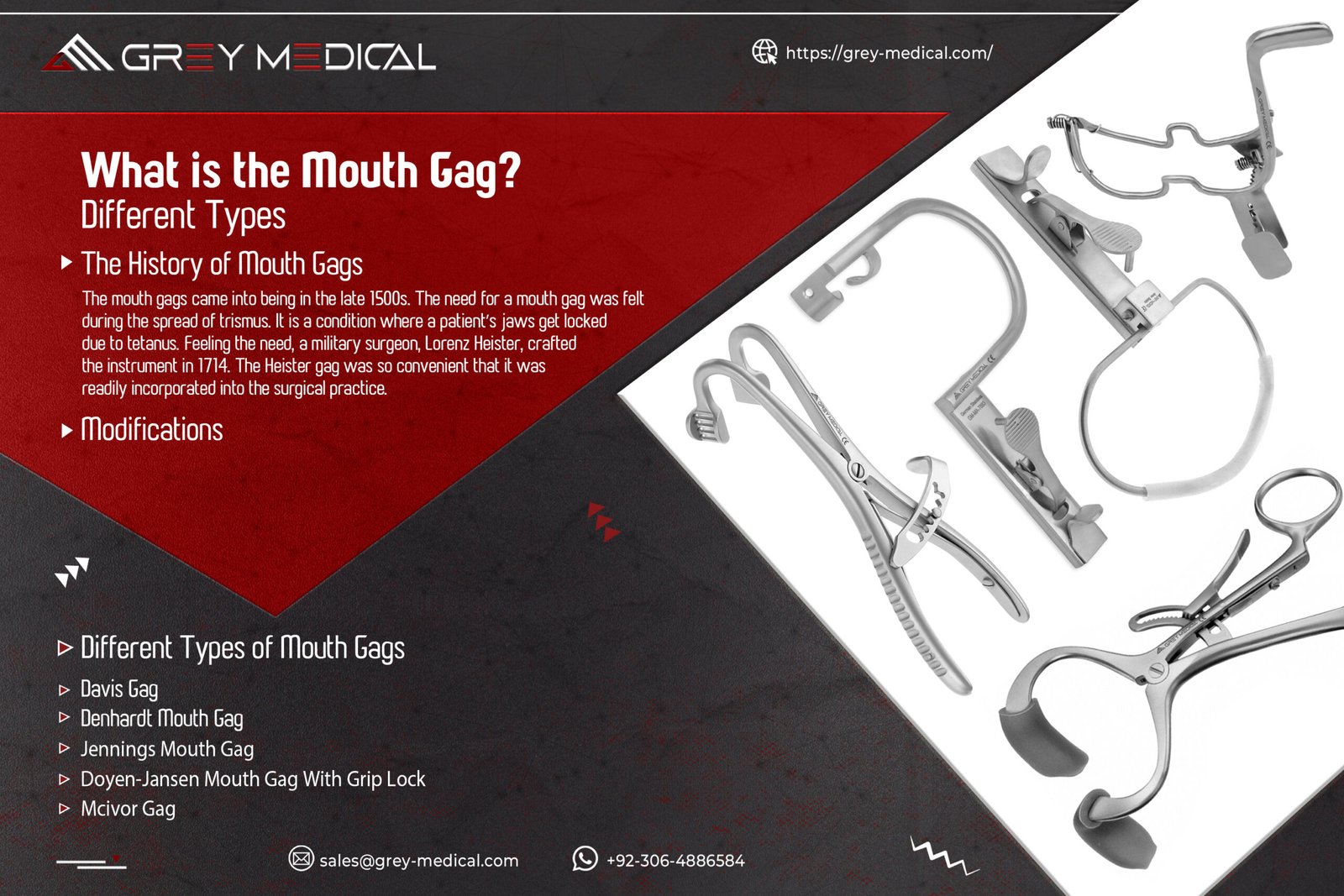
The evolution of surgical instruments has led to the development of several distinct designs of mouth gags. Each is engineered to address specific challenges encountered during surgery. One of the most common designs is the frame-style gag, such as the Jennings or Davis-Boyle gag. These instruments feature a frame that is positioned around the patient’s mouth, with blades or retractors that engage the teeth or gums to hold the jaw open. The Davis-Boyle gag, for instance, includes a tongue depressor blade that is integral to its function, simultaneously retracting the tongue while opening the mouth. This provides a clear view of the pharynx, making it a popular choice for tonsillectomy and adenoidectomy procedures.
Another significant category includes self-retaining gags like the McIvor gag. This design is often preferred for its simplicity and ease of use. It typically consists of two arms that can be opened and locked into position at the desired width. The ends of the arms are fitted with blades that rest against the upper and lower teeth or gums. The self-retaining mechanism frees the hands of an assistant, allowing them to perform other tasks during the procedure. The versatility of these types of gags makes them suitable for a wide range of oral surgeries.
For more specialized applications, surgeons may utilize ring-style gags like the Denhardt or Doyen-Jansen gag. These are circular or oval frames that are placed inside the mouth. Their primary advantage is providing a 360-degree view and access, which can be beneficial in complex palatal surgeries. The choice among these different designs is a critical decision made by the surgeon to best suit the needs of the patient and the demands of the operation.
The Importance of Quality and Innovation
The effectiveness and safety of any surgical procedure are directly linked to the quality of the instruments used. This is especially true for mouth gags, where poor design or material defects can lead to patient injury, including dental damage or jaw dislocation. High-quality surgical gags are manufactured from medical-grade stainless steel, ensuring durability, resistance to corrosion, and the ability to withstand repeated sterilization cycles. Precision engineering is key to smooth-operating mechanisms, secure locking features, and atraumatic surfaces that minimize the risk of tissue damage.
This is where the commitment of companies like GreyMedical® becomes paramount. As a privately owned medical technology company, GreyMedical® is dedicated to innovation and excellence in the craft of surgical instruments. The company understands that surgeons rely on their tools to perform at the highest level. By investing in advanced manufacturing processes and collaborating with medical professionals, GreyMedical® develops and refines instruments, including the various types of gags, to meet the evolving needs of modern surgery. This focus on quality ensures that each instrument provides the reliability and performance necessary for optimal patient outcomes. Innovation in this field can lead to designs that offer better visualization, enhanced patient comfort, and greater ease of use for the surgical team.
Proper Use and Maintenance
Beyond selecting the correct instrument, the proper application and maintenance of surgical gags are crucial for patient safety. Anesthesiologists and surgeons must work together to ensure the gag is placed correctly, avoiding excessive force that could harm the patient. Careful attention must be paid to the pressure exerted on the teeth, lips, and tongue. Regular inspection of the temporomandibular joint (TMJ) during the procedure is also a standard practice to prevent strain or injury. The duration the gag is in place is another important consideration, as prolonged pressure can lead to complications.
After use, proper cleaning and sterilization are mandatory. Surgical instruments must be meticulously decontaminated to prevent cross-infection. Companies that manufacture high-quality instruments provide clear guidelines for sterilization, which must be followed rigorously by healthcare facilities. The durability of instruments from a reputable source like GreyMedical® ensures they can endure these demanding cleaning processes while maintaining their structural integrity and function over time. A commitment to proper maintenance protocols is as important as the initial selection of high-quality types of gags.
Conclusion
Surgical gags are indispensable tools in a variety of medical specialties, enabling surgeons to perform complex procedures within the oral cavity and pharynx with safety and precision. The wide array of designs, from frame-style to self-retaining models, allows for tailored application based on the specific surgical context and patient anatomy. The emphasis on using high-quality, well-engineered instruments from dedicated companies like GreyMedical® cannot be overstated, as it directly impacts patient safety and surgical success. By understanding the different types of gags, their applications, and the importance of proper handling, medical professionals can continue to provide the highest standard of care in the operating room.